What Causes Gas Line Leaks in Homes?
If you're wondering what causes gas line leaks in homes, local service providers can identify and repair leaks safely to prevent hazards and ensure your home's safety.
Understanding what causes gas line leaks in homes is essential for property owners who want to ensure their safety and maintain their property's integrity. Gas lines can develop leaks due to a variety of factors, including age, corrosion, improper installation, or accidental damage during renovation projects. Recognizing these common causes can help homeowners identify potential issues early and prevent more serious problems down the line. For those living in areas with older infrastructure or undergoing frequent construction, exploring this topic provides practical insights into maintaining a safe and reliable gas system.
Property owners who are concerned about gas line integrity or have experienced recent disturbances in their gas supply may find it beneficial to learn about the typical causes of leaks. Local service providers specialize in gas line leak repair and can address issues caused by corrosion, shifting soil, or accidental punctures. Staying informed about what causes gas line leaks in homes not only helps in early detection but also encourages proactive maintenance-making it easier to connect with trusted contractors when repairs are needed. Keep reading to discover more about how these issues develop and what steps can be taken to resolve them effectively.
- Common Projects - Gas line leak repairs are needed when corrosion or age causes deterioration of underground or exposed piping, and local contractors can identify the weakened areas.
- Common Projects - When accidental damage occurs during home renovations or landscaping, local service providers can quickly assess and repair compromised gas lines.
- Common Projects - Leaks caused by improper installation or faulty connections can be addressed by local pros who specialize in diagnosing and fixing these issues safely.
- Common Projects - If natural shifts in the ground or foundation movement stress gas lines, local contractors can evaluate the situation and perform necessary repairs.
- Common Projects - Regular inspections by local pros can detect early signs of leaks caused by wear and tear, helping homeowners address issues before they become hazardous.
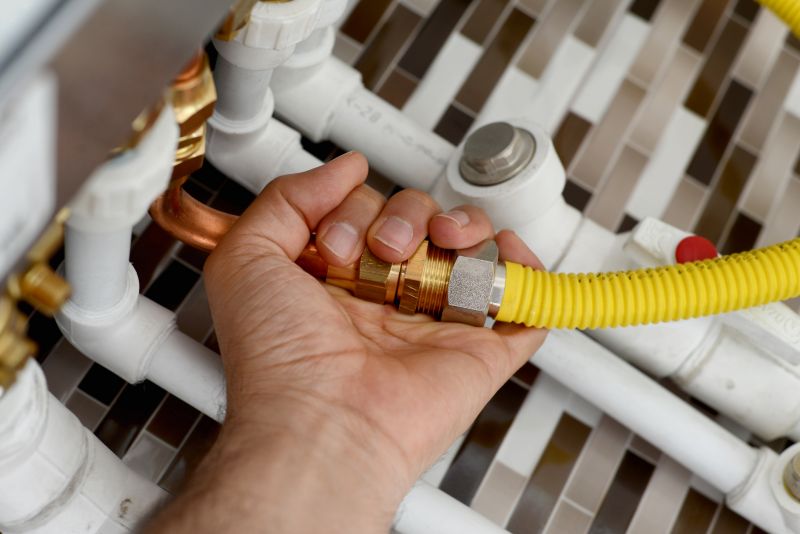
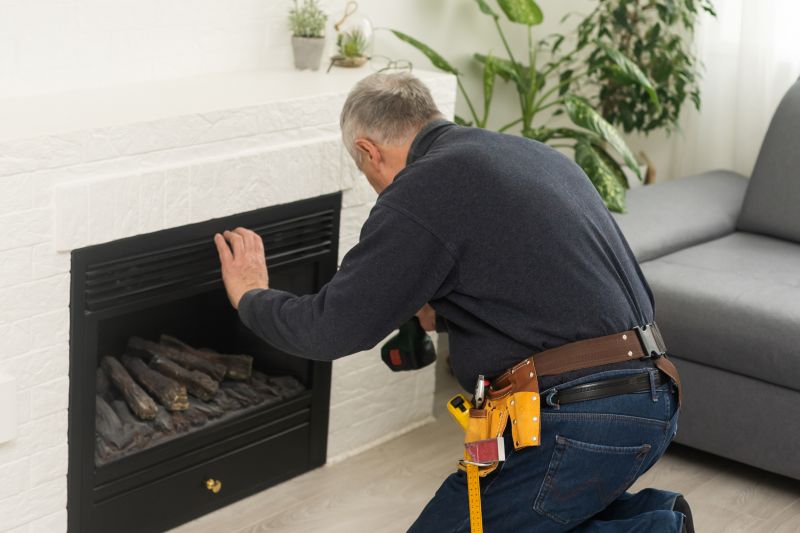
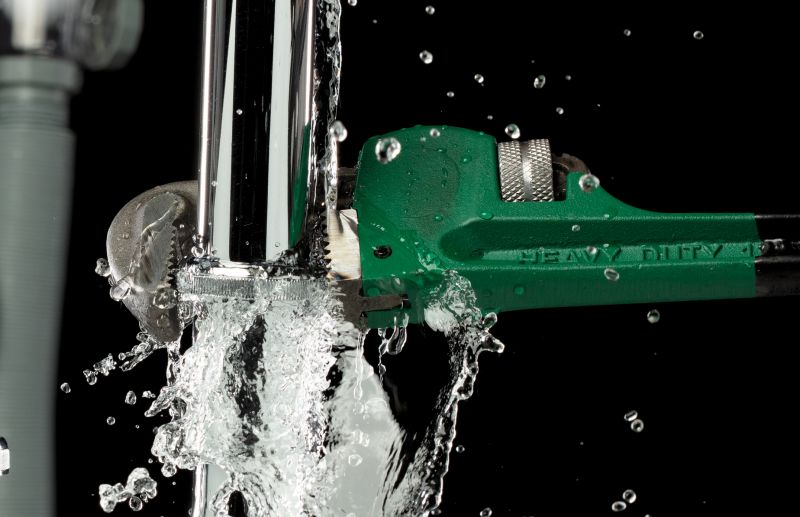
Understanding what causes gas line leaks in homes is essential for homeowners who want to prevent potential hazards and ensure the safety of their property. When people search for this topic, they often aim to learn about the common reasons why a gas line might develop leaks, whether due to aging, damage, or environmental factors. This knowledge helps homeowners recognize early warning signs and plan for repairs before a minor issue becomes a major problem. Gas line leaks can pose serious safety risks, including fire hazards and health concerns from inhaling gas fumes, making it important to understand their causes and how to address them promptly.
Gas line leaks are frequently related to various issues that develop over time or due to external influences. For example, corrosion caused by moisture and oxygen can weaken metal pipes, leading to leaks. Physical damage from construction work, accidental impacts, or shifting ground can also compromise the integrity of gas lines. Additionally, improper installation or repairs, such as using incompatible fittings or failing to secure connections properly, can create vulnerabilities that eventually result in leaks. Recognizing these common causes helps homeowners understand the importance of regular inspections and maintenance, which local service providers can assist with to keep gas lines in good condition.
Certain types of properties are more likely to experience gas line leaks due to their age, construction materials, or usage patterns. Older homes, especially those built before modern safety standards, often have outdated or deteriorating gas piping that is more prone to leaks. Properties with extensive underground piping, such as large residential complexes or rural homes, face increased risks from ground shifts, tree roots, or soil erosion. Additionally, homes undergoing renovations or having nearby excavation work may inadvertently damage gas lines. Knowing the property type can help homeowners anticipate potential issues and seek out local contractors who specialize in gas line repair for specific property needs.
Local gas line leak repair professionals play a vital role in addressing the causes of leaks and restoring safety to homes. They can perform thorough inspections to identify the source of a leak, whether it stems from corrosion, damage, or installation flaws. These service providers bring expertise in repairing or replacing compromised sections of piping, ensuring that gas lines are secure and functioning properly. By connecting with experienced local contractors, homeowners can access the necessary skills to handle different property types and specific leak causes, helping to prevent future problems and maintain a safe living environment.
Gas line installation projects - these projects require careful planning and understanding of piping systems, similar to identifying and repairing leaks in gas lines within homes.
Plumbing repair services - working with household piping systems, these projects involve diagnosing leaks and ensuring safe, secure connections, akin to gas line leak repairs.
Home inspection services - inspectors assess the integrity of gas lines and detect potential issues, which aligns with identifying causes of gas line leaks in residential settings.
Appliance hookup and repair - connecting and maintaining appliances that use gas involves handling gas lines safely, paralleling the skills needed for leak detection and repair.
Leak detection services - specialized in locating leaks in various systems, these projects share techniques and tools used to find gas line leaks in homes.
Pipe replacement projects - replacing old or damaged piping requires planning and precision, similar to repairing compromised gas lines to prevent leaks.
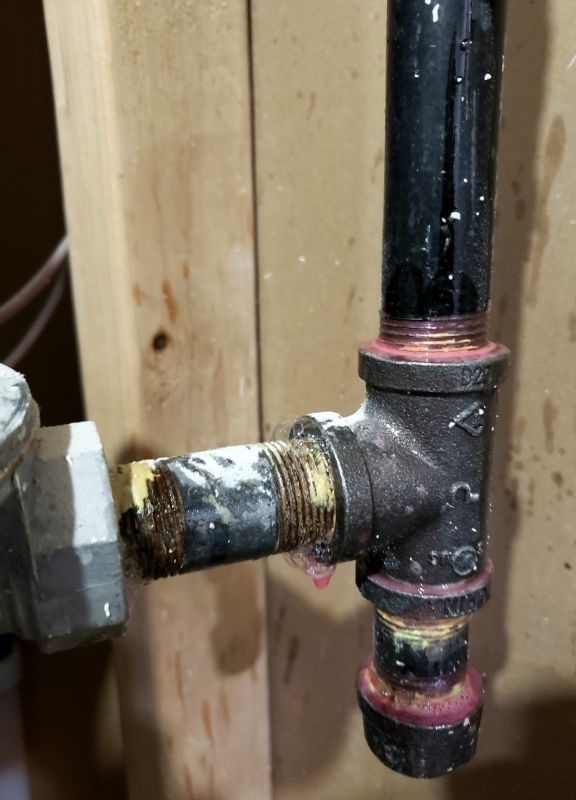
When comparing service providers for gas line leak repair, it is important to consider their experience with similar projects. Homeowners should seek out local contractors who have a proven track record of handling gas line issues effectively and safely. Asking about previous work related to gas line repairs or leak detection can provide insight into their familiarity with the specific challenges that can arise, such as corrosion, aging pipes, or accidental damage. Experienced contractors are more likely to understand the common causes of gas line leaks in homes and can tailor their approach to address these issues efficiently.
Clear written expectations are essential when evaluating potential service providers. Homeowners should look for detailed estimates or scope of work that outline what the repair process will involve, what materials will be used, and any necessary safety precautions. Transparent communication about the steps involved helps ensure there are no surprises and that everyone is aligned on the scope of the project. Service providers who provide well-documented plans and are willing to answer questions demonstrate professionalism and a commitment to clarity, which can contribute to a smoother repair process.
Reputable references and good communication are key factors in selecting a reliable contractor for gas line leak repairs. Homeowners can ask for references from previous clients or check online reviews to gauge the quality of service and customer satisfaction. Additionally, responsive and clear communication from the service provider-such as timely responses to inquiries and straightforward explanations-can make the process less stressful. Choosing local contractors known for their professionalism and transparency can help ensure that the repair work is completed safely, thoroughly, and to the homeowner’s expectations.
Property owners often search for what causes gas line leaks in homes? when they are planning practical projects around their homes and businesses. Local pros provide Gas Line Leak Repair services for everyday jobs and straightforward project options.
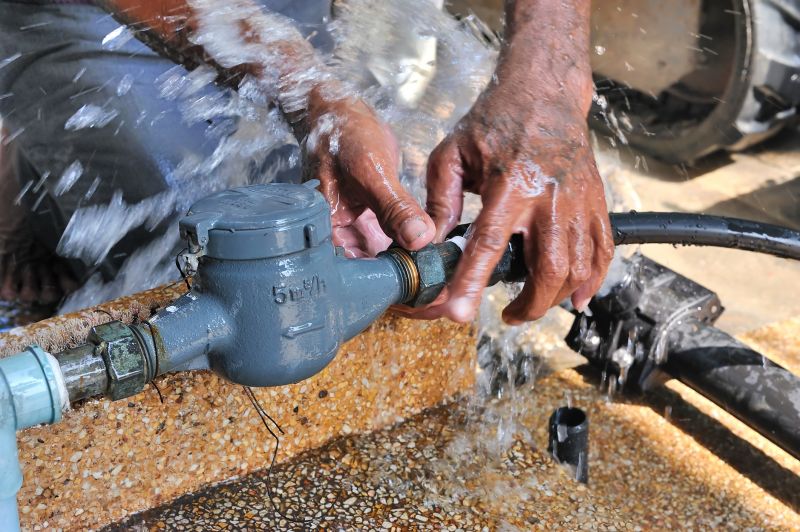
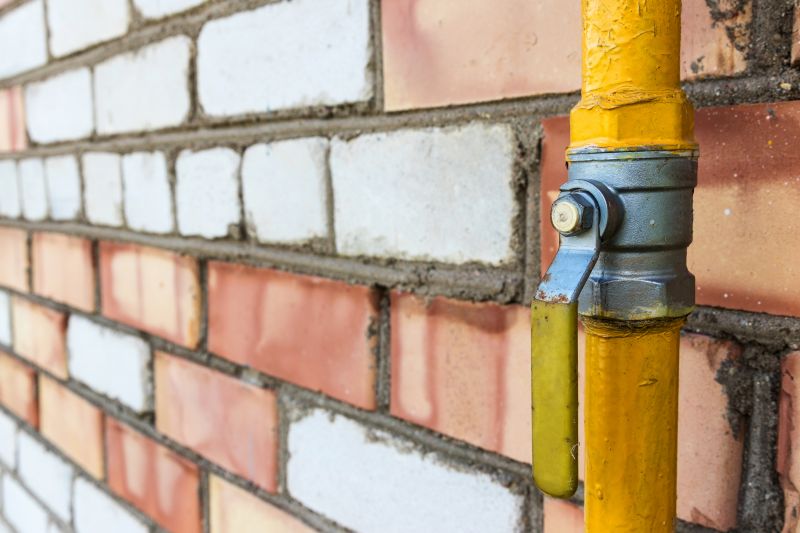
Understanding what causes gas line leaks in homes can help property owners identify potential issues before they become serious safety concerns. Common causes include age-related wear and tear, corrosion, or damage from nearby construction activities. Simple project situations, such as installing new appliances or remodeling, can sometimes inadvertently lead to leaks if existing gas lines are disturbed or improperly handled. Property owners in the area often look up this topic to learn how to prevent leaks and to determine when professional repair services might be necessary.
When a gas line leak is suspected, it’s important to seek assistance from experienced service providers who specialize in gas line repair. Local contractors can assess the situation, identify the root cause-whether it’s corrosion, loose fittings, or accidental damage-and perform the necessary repairs safely. Relying on qualified professionals ensures that repairs are done correctly, helping to maintain the safety and integrity of the home's gas system. Property owners are encouraged to compare options and connect with trusted local service providers for reliable gas line leak repair services.
What are common causes of gas line leaks in homes? Gas line leaks can result from corrosion, physical damage, improper installation, or aging pipes, which compromise the integrity of the gas lines and lead to leaks.
How does corrosion lead to gas line leaks? Over time, moisture and chemicals can cause metal pipes to corrode, creating weak spots or holes that allow gas to escape and cause leaks.
Can physical damage cause gas line leaks? Yes, accidental impacts from construction, shifting soil, or nearby excavation can damage gas lines, resulting in leaks that require repair by local contractors.
What role does improper installation play in gas line leaks? Incorrect fitting, poor connections, or substandard materials during installation can create vulnerabilities in gas lines, increasing the risk of leaks over time.
How do aging pipes contribute to gas line leaks? As gas lines age, materials may deteriorate or become brittle, leading to cracks or holes that can cause leaks and need professional repair services.
Corrosion and Rust - Property owners can inspect exposed gas lines regularly to identify signs of corrosion, and local contractors can provide expert repairs to prevent leaks caused by rust.
Poor Installation or Repairs - Ensuring proper installation and maintenance by qualified service providers can help prevent leaks resulting from faulty connections or improper fittings.
Aging Infrastructure - Regular assessments by local contractors can identify aging gas lines that may need replacement before leaks develop.
If you are thinking about what causes gas line leaks in homes? for a property, this guide is meant to help you understand this topic, the typical project types, and how different options might fit your plans.
When you are ready, you can use the quote form on this page to share a few details about your project. From there, local pros can review the basics and follow up with options that match what you have in mind.