Gas Line Capping in Denver, CO
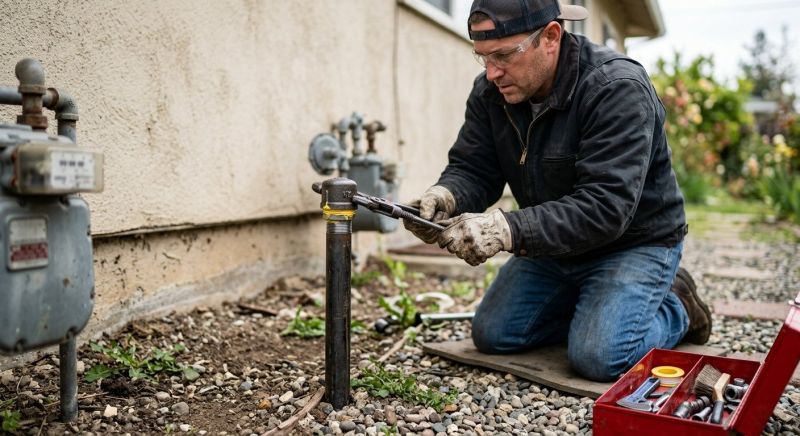
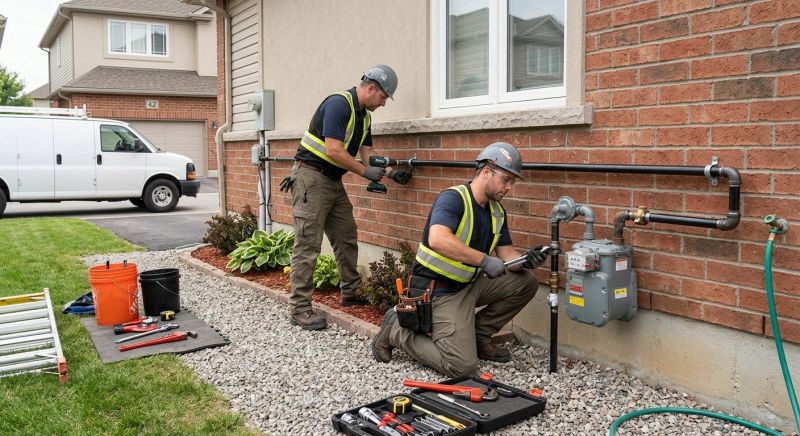
Gas line capping services involve safely sealing off existing natural gas or propane lines to prevent leaks or prepare for future modifications. This service is commonly requested during home renovations, appliance upgrades, or when a gas line is no longer needed on a property. Property owners typically want to understand the scope of work involved, the safety measures taken during the process, and whether permits or inspections are necessary before proceeding with a gas line cap.
Before requesting gas line capping, homeowners should consider the location of the line, the reason for the cap, and any potential impact on other utilities or property features. It's important to confirm that the work will be performed in compliance with local codes and regulations. Additionally, property owners often seek clarity on whether the capped line can be safely reconnected in the future if needed, and what steps are required to do so.
Many property owners in Denver, CO look into Gas Line Capping for repairs, replacements, upgrades, and appearance-related improvements.
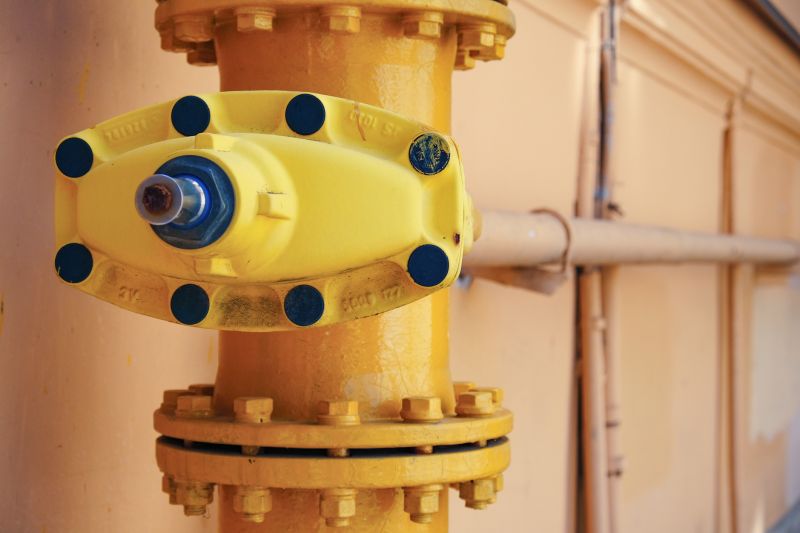
Gas Line Sealing
Proper capping prevents leaks and ensures safety for residential and commercial properties in denver.
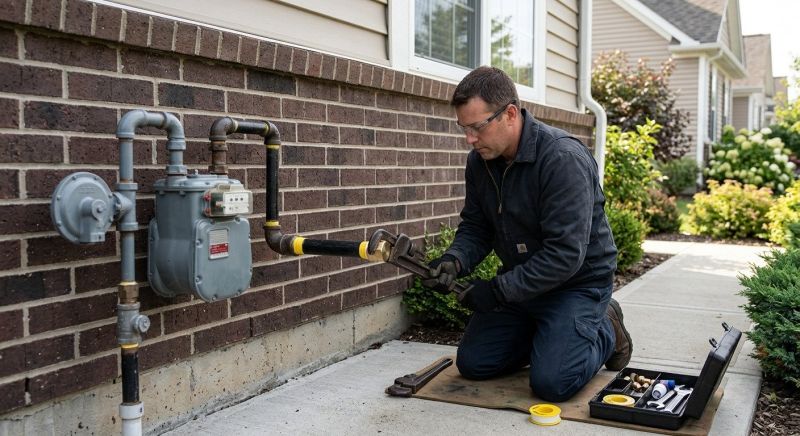
Emergency Gas Line Closure
Quickly securing a gas line is essential during repairs or emergencies to protect your property and loved ones.
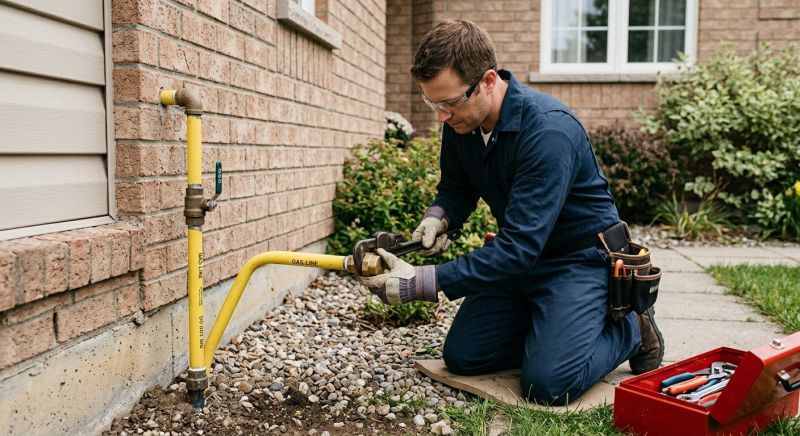
Gas Line Removal And Replacement
Capping old or unused gas lines helps maintain safety and compliance during renovation projects in denver area homes.
Gas Line Capping in Denver, CO

Gas line capping services involve safely sealing off existing natural gas or propane lines to prevent leaks or prepare for future modifications. This service is commonly requested during home renovations, appliance upgrades, or when a gas line is no longer needed on a property. Property owners typically want to understand the scope of work involved, the safety measures taken during the process, and whether permits or inspections are necessary before proceeding with a gas line cap.
Before requesting gas line capping, homeowners should consider the location of the line, the reason for the cap, and any potential impact on other utilities or property features. It's important to confirm that the work will be performed in compliance with local codes and regulations. Additionally, property owners often seek clarity on whether the capped line can be safely reconnected in the future if needed, and what steps are required to do so.
Many property owners in Denver, CO look into Gas Line Capping for repairs, replacements, upgrades, and appearance-related improvements.
Common Gas Line Capping Jobs
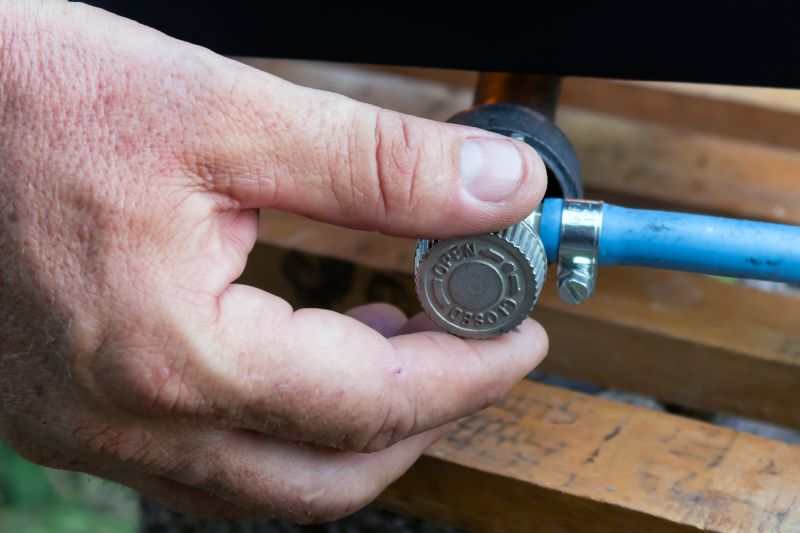
Gas line capping services provide a safe and secure way to shut off unused or abandoned gas lines.
Residential gas line capping helps prevent leaks and ensures safety when making home renovations or upgrades.
Commercial gas line capping addresses the needs of property owners managing gas line decommissioning or modifications.
Emergency gas line capping offers rapid response for urgent situations involving damaged or leaking gas lines.
Gas line sealing ensures that inactive lines are properly closed to prevent accidental gas escape.
Gas line removal and capping is essential for safely disconnecting outdated or unused gas infrastructure.
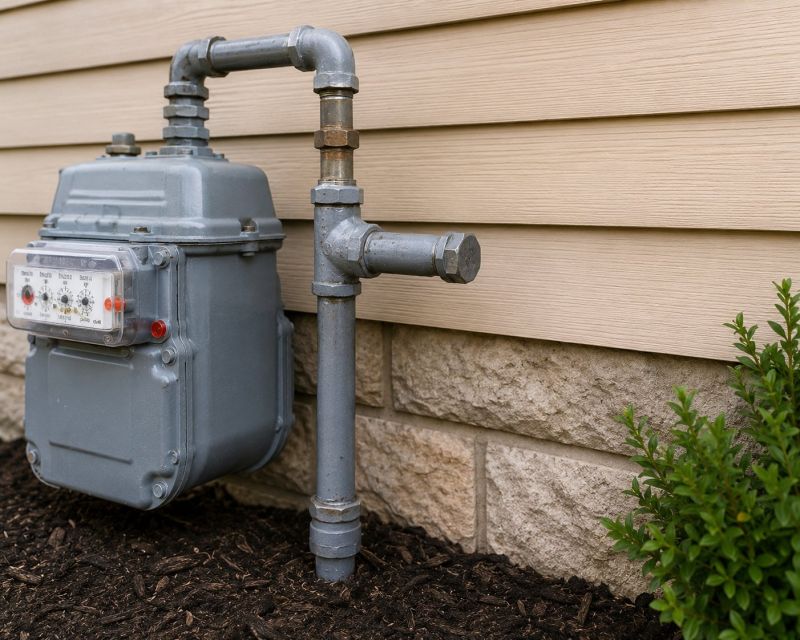
Gas Line Capping Questions
When is gas line capping necessary? Gas line capping is needed when a property is being renovated, repurposed, or the gas service is no longer required for a specific area.
What types of projects typically require gas line capping? Projects like appliance removal, basement finishing, or converting a space for non-gas use often involve gas line capping.
Is gas line capping a safe process? Yes, proper capping ensures the gas supply is safely sealed off to prevent leaks or hazards.
How does gas line capping impact property value? Properly capped gas lines can improve safety and compliance, which may positively influence property value.
Request Gas Line Capping in Denver, CO
Use the quote form on this page to share the basics of your project and request more information for the type of work you need.